

Public Money, Private Benefit
A Colorado town’s recent deal with a millionaire has local residents asking: “Who is this town for?”

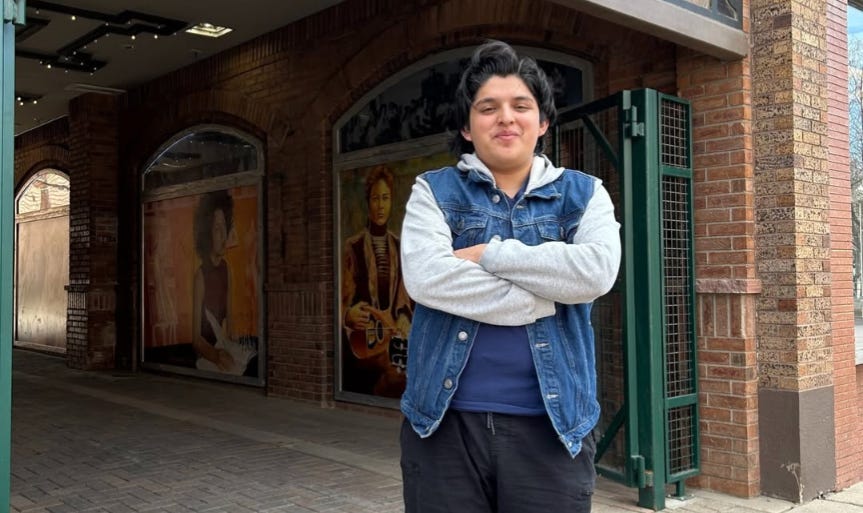
Antonio Molina-Haro is like a lot of young men his age: He hangs out with his friends on the weekends, he’s enrolled in a local college, he works regular shifts at the local Chick-fil-A. “I’m making $19 an hour,” he says. “It’s the best money I’ve ever made.”
What makes Antonio a little unusual, perhaps, is that the 21-year-old will excitedly spend a free Thursday evening attending the Greeley, Colorado, State of Our City event, eager for the latest from his elected leaders. He’s interested because he’s a political science major, but also because “I just really, really love this town.” The event was a mix of speeches and display tables, plus a performance by the local JOTC Color Guard.
It was on the third floor, tucked away into a corner, that Antonio found a table about the Cascadia Project. “I’d never heard of it,” he admits, frustrated because he makes it his business to stay on top of things in Greeley.
“Designs for this project– a big entertainment district with a waterpark and hotel and a new hockey stadium– were on the table, and when I looked at them, the first thing I asked the woman working at the display was: “Where are the buses?”
The woman explained to Antonio that a bus stop would be put in across the parking lot from the venue. “Why not by the entry?” he asked, thinking about the working-class families with children, the elderly, the low-wage workers like himself who make up Greeley, and how they’d have to trudge across the enormous parking lot in the heat or cold.
That was his first hint that maybe Cascadia wasn’t meant for them.
Mary Metzger always felt like Greeley was meant for her; after all, her family name could be traced back to the town’s founding. She describes her childhood in Greeley as idyllic. Even though she was paralyzed as a child and spent many days and nights in the local hospital, she remembers neighbors and her dad’s coworkers (he was a sheriff’s deputy) coming by to check on her, gifts in hand.
“There are so many things about Greeley that are beautiful,” Mary says wistfully. “The people, the air, the trees, the stars, the way the sun sets.”
Fifty miles north of Denver, Greeley is one of the last affordable places to live in Colorado. The state is known to be expensive, but the cost of living here is 12% below Colorado’s average. Still, working-class families struggle to make ends meet.
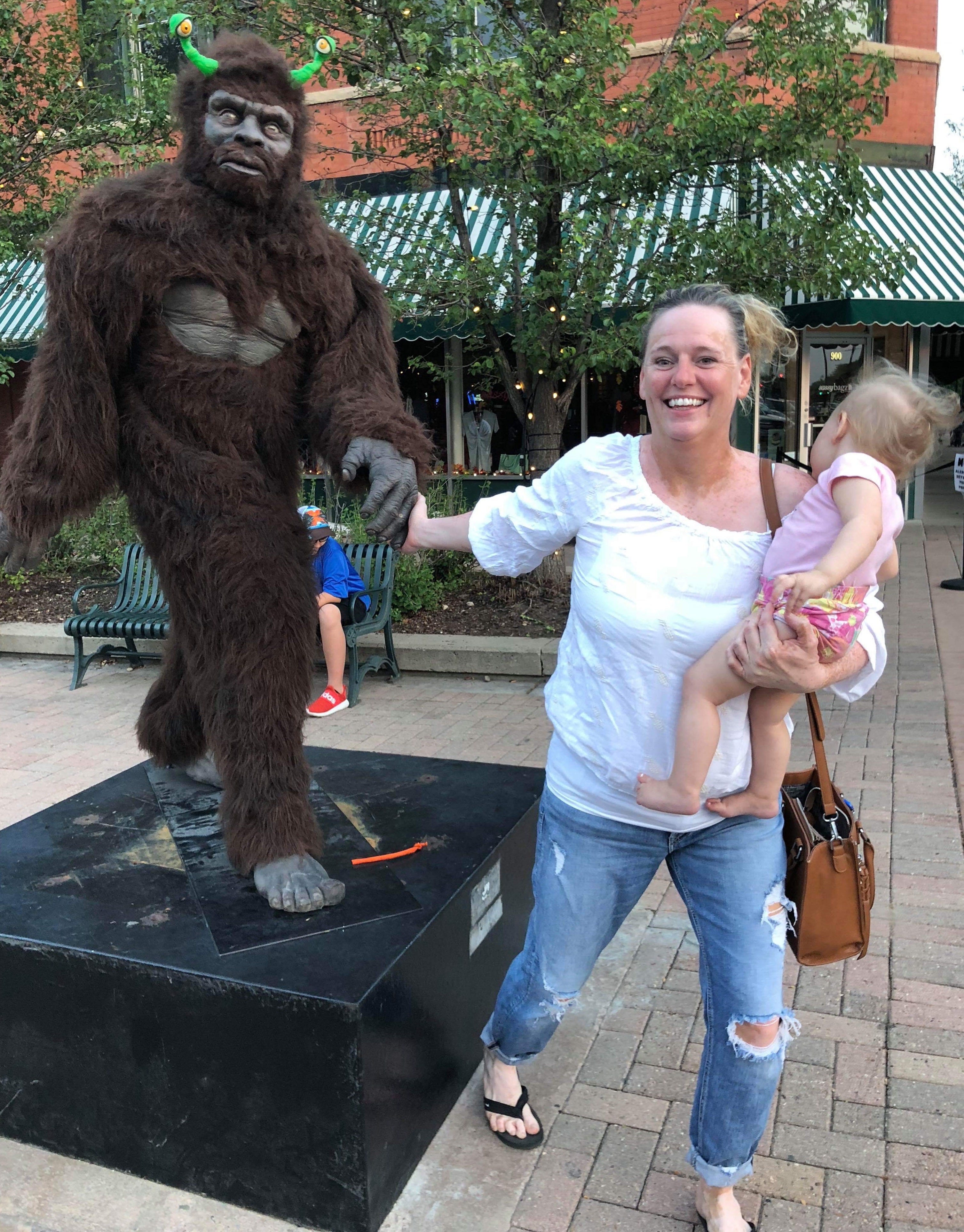
Mary raised her four children here, but as adults, two have moved away to other states. “They just couldn’t afford it anymore,” she explains. “It’s hard because we used to see family every day. I miss them so much.”
Mary stayed because she is her mother’s caretaker – and because, like Antonio, she loves this town. She’s thrilled to have her grandchildren visit in the summers. That’s why, when she first heard about Cascadia– a $1.1 billion investment by the City of Greeley to build an entertainment complex and hockey rink for the privately owned Colorado Eagles– she shook her head. With tickets averaging $50 to an Eagles game, Mary, who has worked in childcare and as a housekeeper at the local hospital over her career, shakes her head: “I’ll never be able to take my grandkids there.”
Six weeks after Antonio saw the display about Cascadia, the Greeley City Council voted 5-2 to move forward with a pre-development agreement for the $1.1 billion project. Many residents still hadn’t heard about the plans and were surprised.
“We’re not a wealthy place,” explains Joel Patterson, a union electrician who moved to Greeley over a decade ago because it was a more affordable place to raise his family. “We don’t have a billion dollars to throw around.”
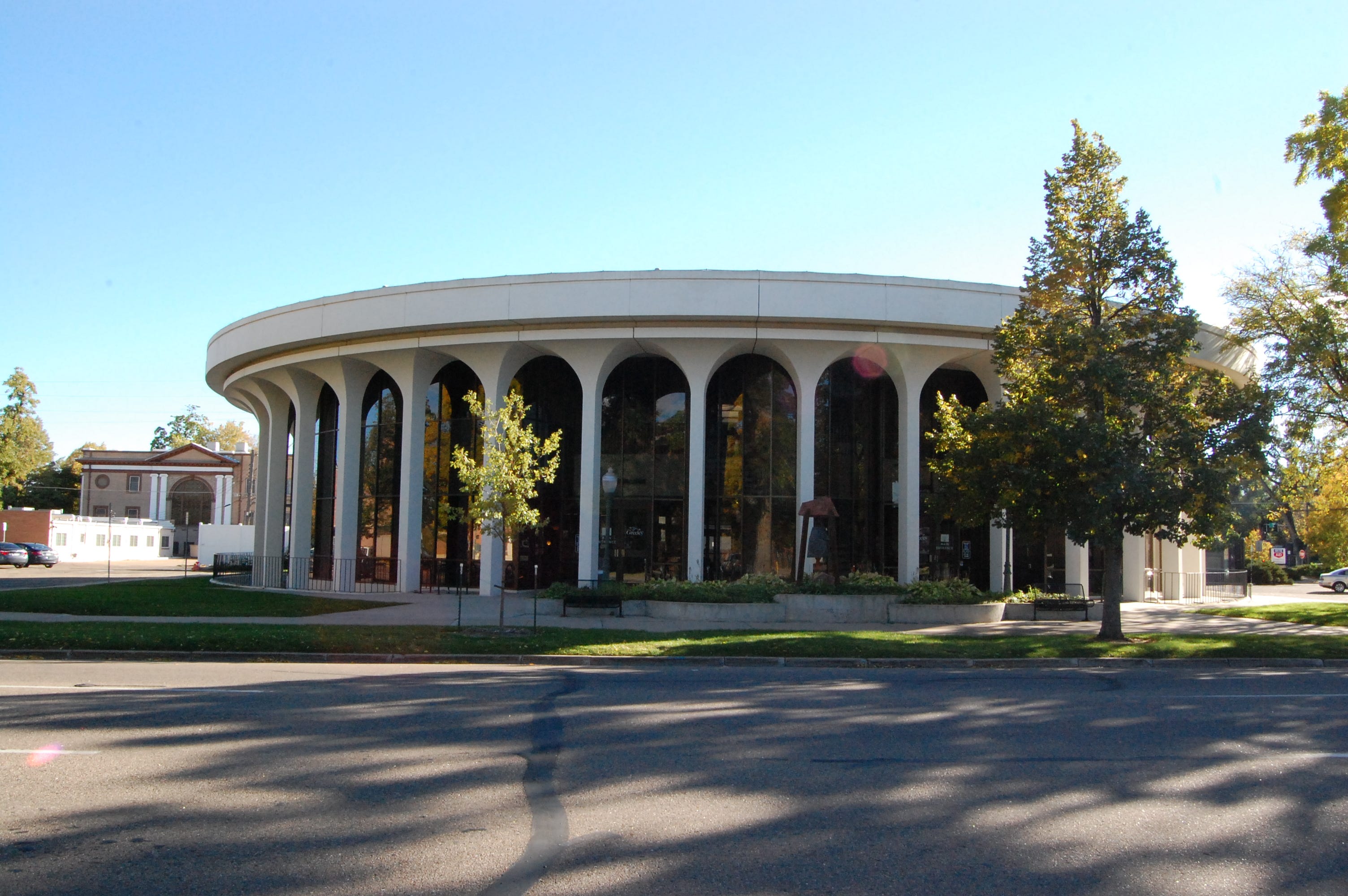
He’s right. Greeley doesn’t have a billion dollars. The City has approved mortgaging publicly owned buildings – including City Hall and the Police Department– to fund the development. Joel points out that one of the mortgaged buildings is a modest entertainment complex, beloved by local families throughout the county. “It’s got a water park in there with slides and a pool, and mini golf and sports fields all around it,” explains Joel (one of the City’s talking points around Cascadia is that it will have a water park). “We aren't against water parks, it's just that we already have one and it's owned by us.”
“We have great things and great people already. We have a very nice downtown, we have the water park, we have pools and splash pads,” says Mary.
“We have the Greeley Ice Haus, and there’s room to build at least two more ice sheets right there,” says Antonio. The Ice Haus is also city-owned and is being used as collateral to pay for the first phase of Cascadia.
What’s different about Cascadia, then? “It’s a palace for the personal use and professional benefit of an entitled millionaire’s hobby and pet project,” says Joel, referring to Martin Lind, the developer and investor who owns the Colorado Eagles and lives in the next town over. Lind’s company, The Water Valley Company, is behind multiple other development plans throughout the region, from entertainment complexes to neighborhoods, and Lind owns serious acreage across multiple counties. “It’s going to make him a lot of money.”
“If he wants a palace, he can build it himself,” Joel adds. “We don’t need to do it for him.”
It’s this dynamic– the working-class residents of Greeley and their hard-earned money versus the profits of a millionaire businessman– that is the heart of the issue. Nobody here is against hockey, or a new hotel, or more places to have even more fun– it’s about who should pay for something that will make Martin Lind big money.
As Joel puts it, Greeley residents are being “sold a story.” Not only is Cascadia’s cost unlikely to stay at $1.1 billion (he’s worked enough big developments to know how projects of this scale blow past their original estimates), and not only is there is no guarantee the development will bring in tourism dollars, but at the end of the day its a tall tale to believe that big business benefits the little man.
Joel calls it a “tall tale akin to a Trickle Down Economics ‘Field of Dreams.”
None of this is unique to Greeley. Public goods– from public land to the weather service– are being sold for parts to private for-profit entities based on the assumption that millionaires know more than park rangers, scientists, or a town’s people. Even on matters of business, it’s never a local businessman, the granddaddy who’s been running the mom and pop grocer for thirty years or the young woman who launched a successful small business out of her garage, that we capitulate to. It’s always the big businessmen, the ones who have the private jets and intergenerational wealth, that we think have it all figured out.
But from my vantage point, it’s the blue-collar workers like Joel, who save up to buy a home for their family, who have the real smarts here. It’s the single moms like Mary, who raise four kids on one paycheck, who are the financial savants. It’s young people like Antonio, who work at Chick-fil-A to put themselves through school, that we should let dream up our future. Not the millionaires.
Working folks know how to turn a wrench and make a repair– how to work with what they have to make it even better. What could Greeley look like if the City Council were listening to its residents in this matter, not just Martin Lind?
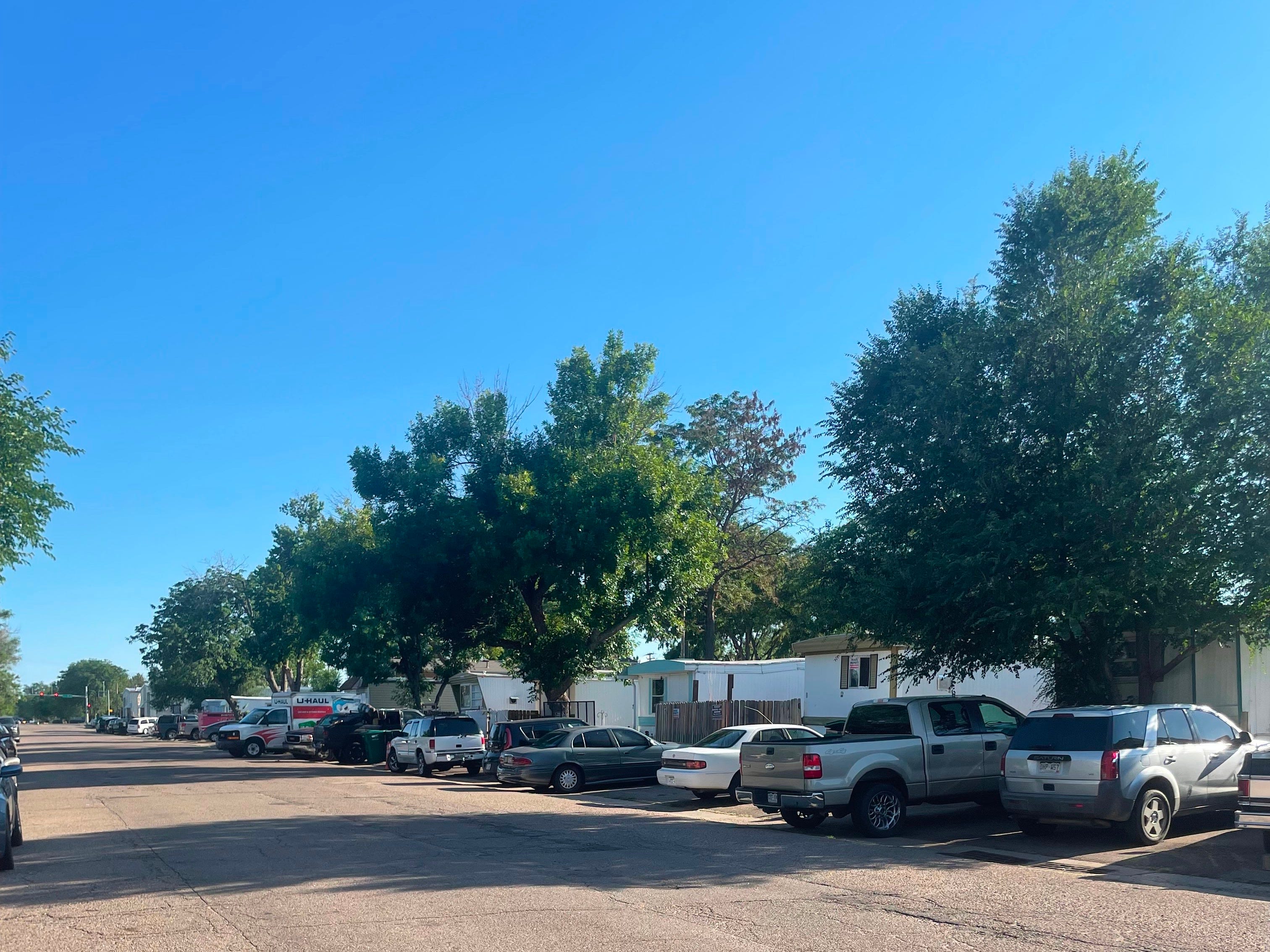
“We aren’t against progress,” says Mary. “But progress for who?” A better grocery store on the east side of town, road improvements, storm water upgrades to ease flooding would be progress for the people who live here.
“But those things don’t make the rich any more money,” Mary points out.
Greeley is growing, no doubt about it. As Denver bursts at its seams, new people are and will be moving here. In Antonio’s mind, the city needs to prepare for this by investing in and strengthening what they already have– improvements which would “benefit both the people who are coming as well as the people who are already here,” he says.
The town is built on people who work, like Antonio’s parents, at the meat packing plant and the cheese factory, the oil fields, the schools, the city government, and at the local college. These are the people who aren’t going to be able to spend $300 at the proposed Cascadia hotel, but they are the people being asked to foot the bill.
“We are the ones on the hook,” points out Joel, thinking about the buildings the city has mortgaged and the time and money already being sunk in. “We still pay even if it all falls apart.”
“Lind is the one who can walk away,” says Mary.
Since the City Council's vote in April, Greeley residents have been organizing, talking to their neighbors, speaking out at public meetings, writing letters to the editor, and publishing Op-Eds. Recently, they have been circulating a petition to try to get the Cascadia question onto the November ballot. “I don’t know if people want it to be built or not, but I do know that people want to have a say,” says Mary of the effort.
Of concern to Mary, Joel, and Antonio is how the City is making decisions and who is being included. “We want to make sure that our local government is working for us, the people who live here,” says Antonio.
“It feels like the City is saying that we– regular people– and what we have isn’t good enough,” says Joel. “Instead, they are doing a giveaway to a millionaire.”
That, of course, is not how government is supposed to work in Greeley or anywhere. We should be able to ask our government for the things we need– in this case, there is buzz in Greeley about demanding the City create a Community Benefits Agreement if the project goes forward, guaranteeing good wages, affordable housing, childcare development, infrastructure support, and other community needs. Other communities have successfully made such agreements around sports stadiums. It’s not that the Greeley citizens who are organizing want cheaper hockey tickets or a bus stop at the stadium; they want their city to stand up for working folks like them.
Democracy is messy, but worth it. The more people around the table, the more solutions can be surfaced. “There are enough creative solutions,” says Mary. “If they’d ask the people who live here.”
We know this story well in Asheville. We can't fully fund our schools, have one 24/7 public bathroom in the city, drop bus routes due to driver shortages, but can send tens of millions to support the millionaire owner of our minor league baseball team. I love baseball, and sports, and my young daughters spent many amazing summer nights at the stadium, but this just isn't more important than education, housing, health care, transportation, child care, and food security, among other critical issues. Thanks, Gwen, for bringing another important issue to light. We appreciate you!
Another excellent story highlighting the pitfalls of one-over-many capitalism. Great writing.